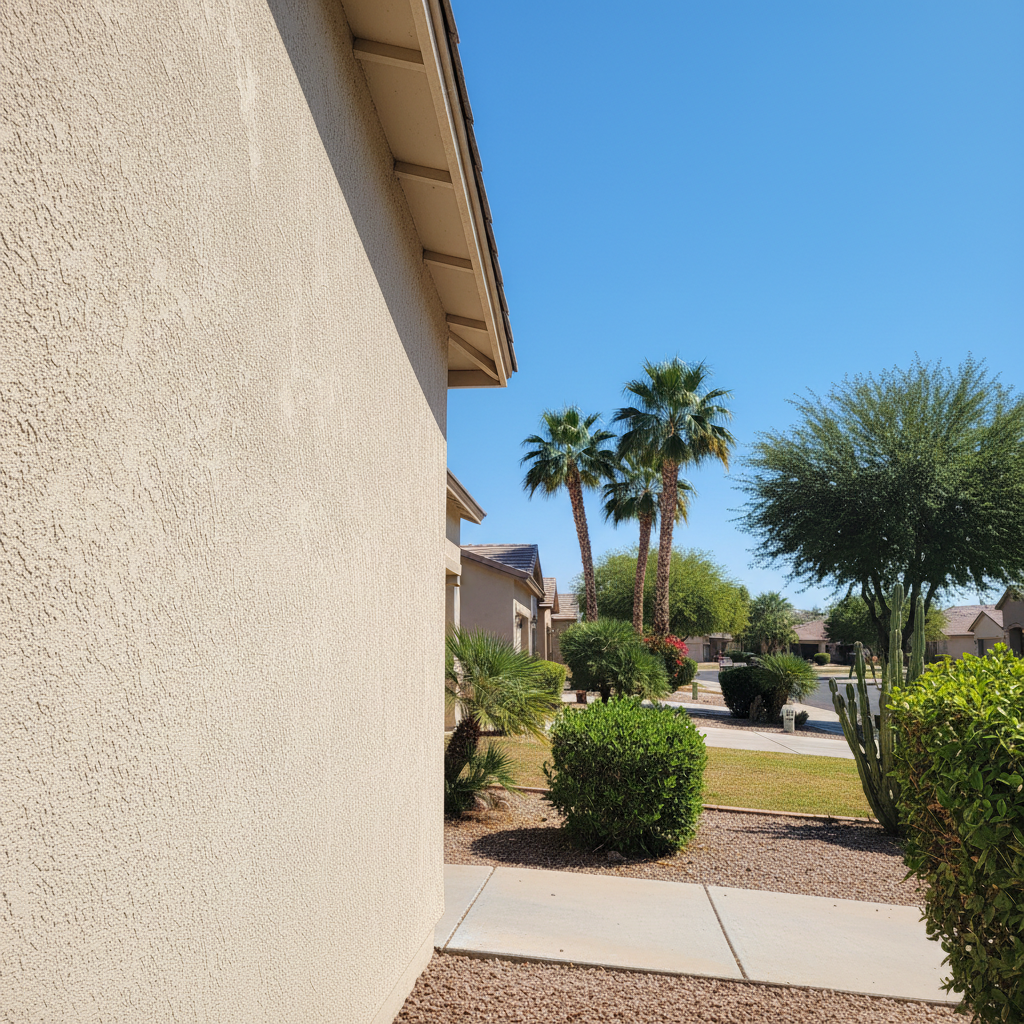
You just invested in a fresh coat of paint for your stucco home here in Peoria, maybe you went with a nice desert-inspired tan or a cooler gray to beat the heat. Looks great, right? But here's the thing: that beautiful finish isn't going to last forever on its own, especially not with our Arizona sun beating down on it day after day. You've got to take care of it if you want to extend its life and keep your home looking sharp. I've seen too many folks let their paint jobs go, and then they're looking at a much bigger, more expensive project down the road.
Extending the Life of Your Stucco Paint
It all starts with the quality of the paint and the prep work, of course. If you hired a good crew, like us at Peoria Stucco & Plastering, we made sure to use high-quality elastomeric paint that's designed for our climate and we prepped the surface right. But even the best paint job needs a little love to go the distance.
- Keep it Clean: This is probably the easiest and most overlooked step. Dust, dirt, and even pollen can build up on your stucco. Over time, this grime can hold moisture against the surface, or just make it look dull. Give your house a gentle wash once a year, maybe twice if you live near a busy road or have a lot of landscaping kicking up dust. A garden hose with a spray nozzle is usually enough. For tougher spots, a soft brush and a mild detergent (like dish soap diluted in water) will do the trick. Just make sure to rinse thoroughly. Avoid high-pressure washers unless you really know what you're doing; they can damage the stucco or force water into cracks.
- Shade Matters: Anything you can do to provide shade for your walls will help. Trees, awnings, or even strategically placed trellises with climbing plants can reduce direct sun exposure, which is a huge factor in paint fading and degradation.
- Address Water Issues Promptly: Water is stucco's worst enemy. Make sure your gutters are clean and directing water away from your foundation. Check your sprinkler heads to ensure they aren't constantly spraying your stucco walls. Constant moisture can lead to mildew, staining, and eventually, paint failure.
Regular Maintenance: What to Look For
Maintenance isn't just about cleaning; it's about being observant. Walk around your house every few months, especially after a big monsoon storm or a long stretch of intense heat. Get up close and personal with your walls.
- Check for Cracks: Small hairline cracks are pretty normal with stucco, especially as the house settles or with our extreme temperature swings. But you want to catch them before they become bigger problems. If you see cracks, especially those wider than a credit card, or ones that spiderweb, address them.
- Look for Peeling or Blistering: This is a clear sign that the paint isn't adhering properly. It could be due to moisture getting behind the paint, poor surface prep, or just old age.
- Fading and Chalking: While some fading is inevitable, excessive fading, especially on the south and west-facing walls, means the paint is breaking down. Chalking is when you rub your hand on the wall and a powdery residue comes off. This indicates the paint's binder is deteriorating.
- Stains and Discoloration: Green or black stains could be algae or mildew, often found in shaded, damp areas. Rust stains might indicate a metal component (like a nail or flashing) is corroding.
When to Call a Professional
You can handle a lot of the basic stuff yourself, but there are times when it's smart to bring in someone who knows stucco. Don't wait until a small issue turns into a major repair.
- Significant Cracking: If you're seeing widespread cracking, or cracks that are wide and deep, especially around windows and doors, that's a structural issue or a sign of major movement. We need to assess what's causing it before just patching and painting.
- Widespread Peeling or Blistering: A small patch you can probably fix, but if large sections of your paint are failing, it's usually a sign of a deeper problem like moisture intrusion or a complete paint system failure. It's not just about repainting; it's about fixing the root cause.
- Water Intrusion: If you suspect water is getting behind your stucco – maybe you see water stains inside your home, or the stucco feels soft in spots – call us immediately. Water damage can lead to rot, mold, and serious structural issues, especially with the expansive clay soils we have in some Peoria neighborhoods.
- Before Repainting: If it's been 10-15 years and your paint is showing its age, it's time for a fresh coat. But before you just slap new paint on, have a professional inspect the stucco. We can identify any underlying issues, make necessary repairs, and ensure the surface is properly prepared for the new paint, which is crucial for longevity.
Taking care of your stucco paint isn't rocket science, but it does require a little attention. A small amount of proactive maintenance can save you a whole lot of headaches and money down the line. Keep an eye on your home, and if you see something that worries you, give Peoria Stucco & Plastering a call. We're always happy to take a look and give you an honest assessment.